


Destinations
From the main attractions to the deep, hidden spots in Hiroshima! Discover the diverse charms of Hiroshima.

Experience
Introducing experiences and tours you can enjoy in Hiroshima! With a rich lineup, you're sure to find the perfect content for you.
Search by area
Destinations
Kure Bay Ship Tour
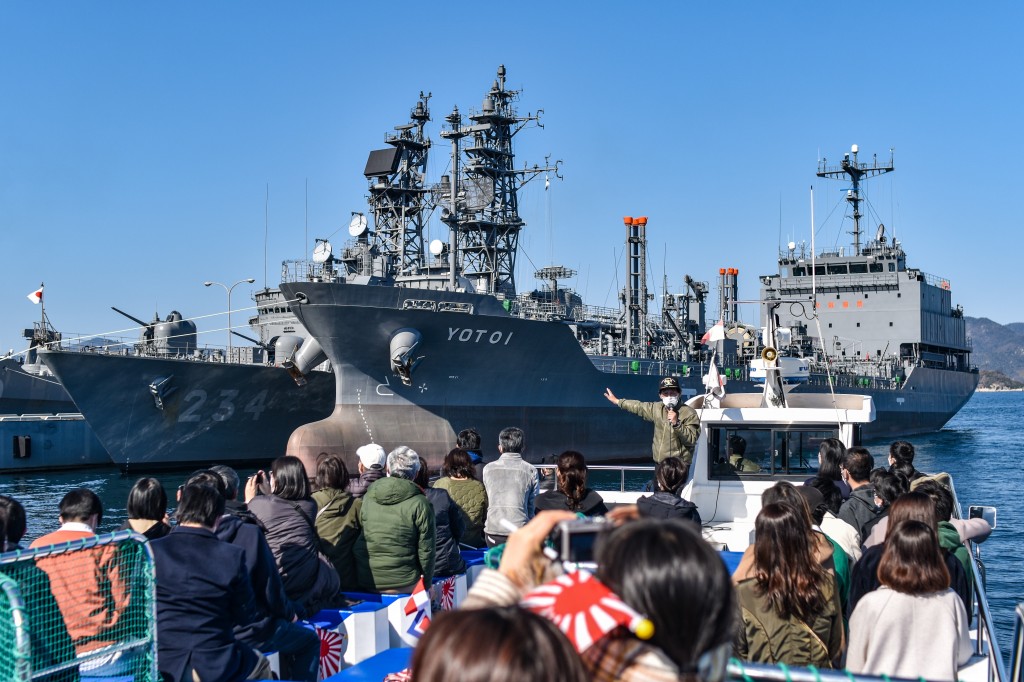
Kure Port, once known as the "largest military port in the Orient," is now home to the Japan Maritime Self-Defense Force, with many ships anchored within. The type and number of ships anchored vary from day to day, resulting in a completely different view each time you visit, a unique attraction. This cruise allows you to view active submarines and destroyers from up close, offering a truly immersive experience never possible from land. The approximately 35-minute tour is best enjoyed by a guide who is an expert on ships. The role and characteristics of each vessel are explained in a humorous and easy-to-understand manner, making it enjoyable even without prior knowledge. We also recommend the special "Yukure Cruise," which departs at sunset. The ceremony of lowering the Self-Defense Force flag accompanied by a trumpet blast is a solemn sight that can only be seen in Kure. Reservations are required at least two days in advance, so we recommend checking availability and making reservations early on weekends and holidays. If you visit Kure, you should also try the local delicacy, "Kure JMSDF Curry." The curry is made to faithfully recreate the recipes of each warship, and the real pleasure is that you can enjoy different flavors at each store. Enjoying the combination of cuisine related to warships and the impressive scenery from the sea will enhance the enjoyment of a trip to Kure. This is a special cruise experience that can only be experienced in this city, where you can get up close and personal with active warships along with the historical scenery.
Destinations
Peace Memorial Park
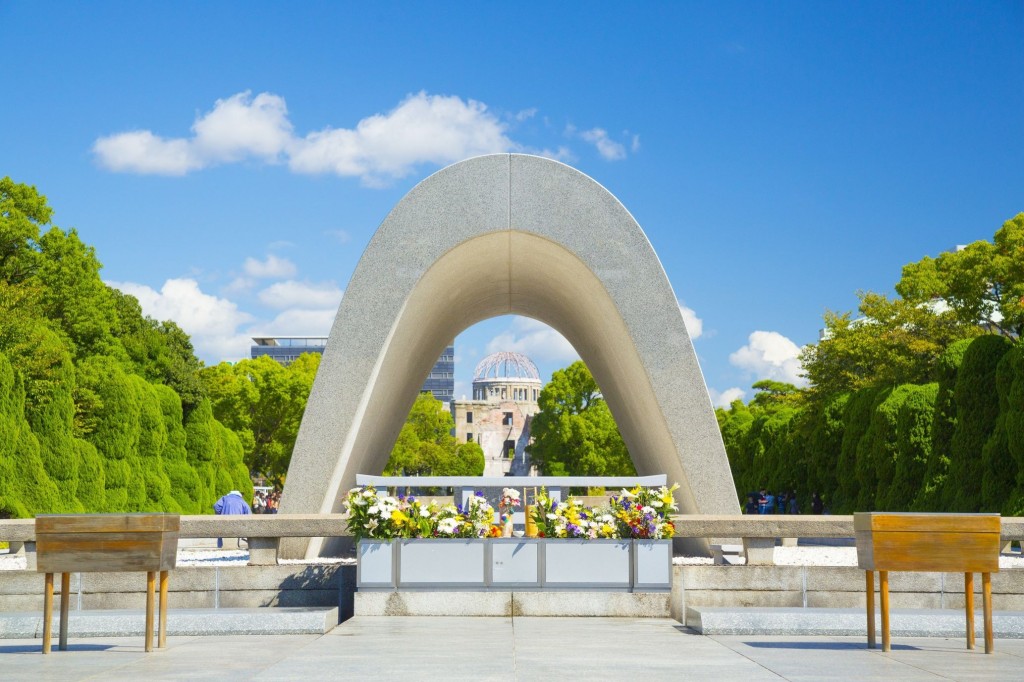
Hiroshima Peace Memorial Park is a vast park in the center of Hiroshima city, built near the hypocenter in hopes of lasting world peace. Within the park, you will find the Atomic Bomb Dome, a World Heritage Site, the Hiroshima Peace Memorial Museum, which exhibits the state of Hiroshima at the time of the atomic bombing, the Cenotaph for the Atomic Bomb Victims, the Hiroshima National Peace Memorial Hall for the Atomic Bomb Victims, and the International Conference Center Hiroshima. The sound of the Peace Bell, which is rung with a wish for peace, has been selected as one of the 100 Soundscapes of Japan that should be Preserved by the Ministry of the Environment.
Destinations
Special Scenic Spot Sandan Gorge
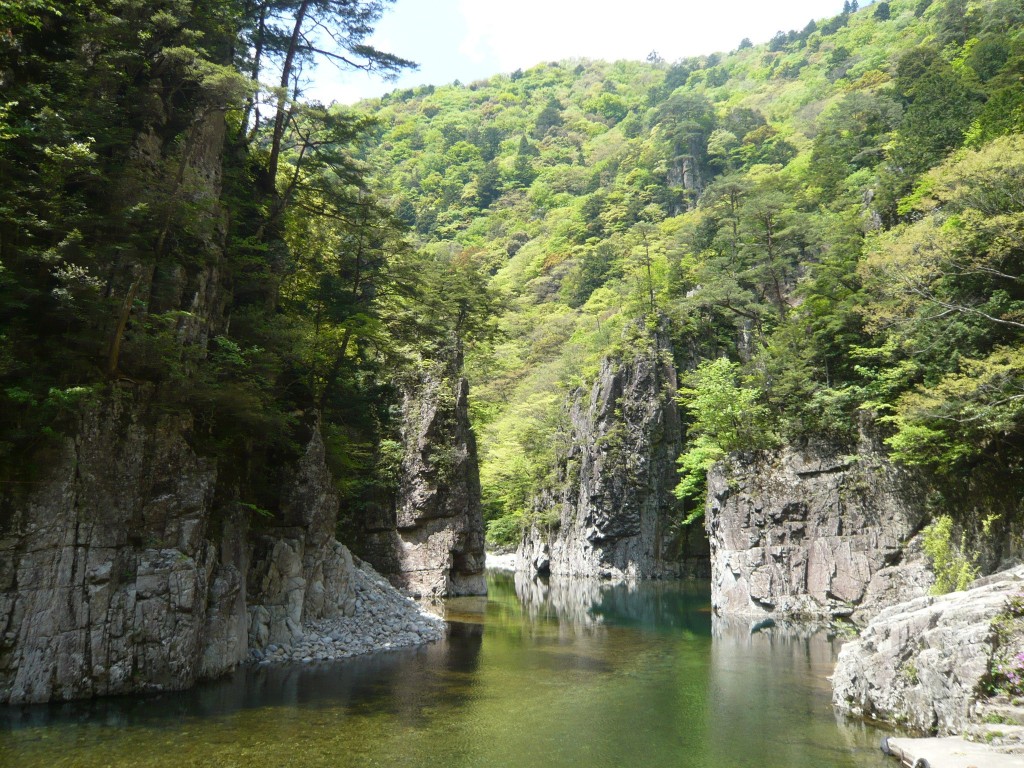
Sandankyo is a large canyon located in the Nishi-Chugoku-Sanchi Quasi-National Park, stretching for about 16 kilometers, where you can enjoy one of the most condensed beauty of the canyon in Western Japan. There are many attractions in the canyon, such as Kurobuchi, Sarutobi, Nidan-taki, and Sandan-taki. It is also famous as a famous spot for viewing autumn leaves (late October to late November). There are two ferry boats in Sandankyo, Kurobuchi and Sarutobi, and the view from the ferry boats is completely different from that from the promenade. *Nidandaki can only be reached by taking the Sarutobi ferry boat. There are also two therapy roads in Sandankyo. Kayaking and SUP are also popular, and there are plenty of activities to enjoy the great outdoors. For the latest information on the walkable sections of the Sandankyo Promenade, please check the link below.
Destinations
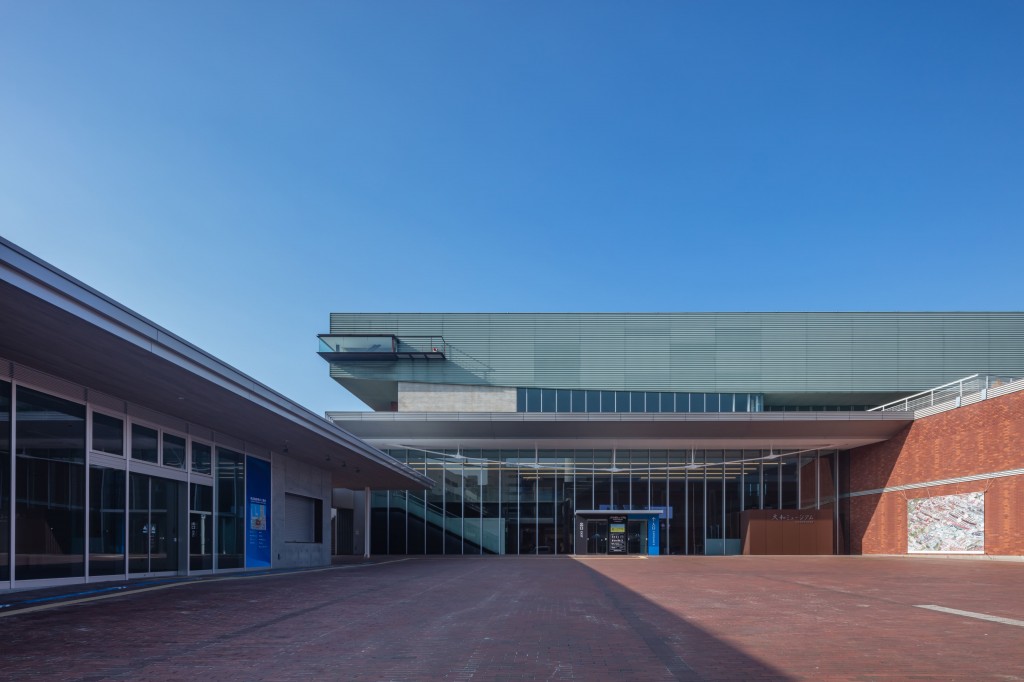
Yamato Museum (Kure City Maritime History and Science Museum)
This museum faithfully recreates the massive battleship Yamato, built in Kure, in 1/10 scale. It also displays actual artifacts such as Zero fighters and Kaiten human torpedoes. The museum introduces the history of Kure, which is synonymous with Japan's modernization since the Meiji era, and the various scientific and technological advancements, including shipbuilding and steelmaking, that formed the foundation of that modernization, while touching upon the efforts of our predecessors and the lifestyle and culture of the time.
Destinations
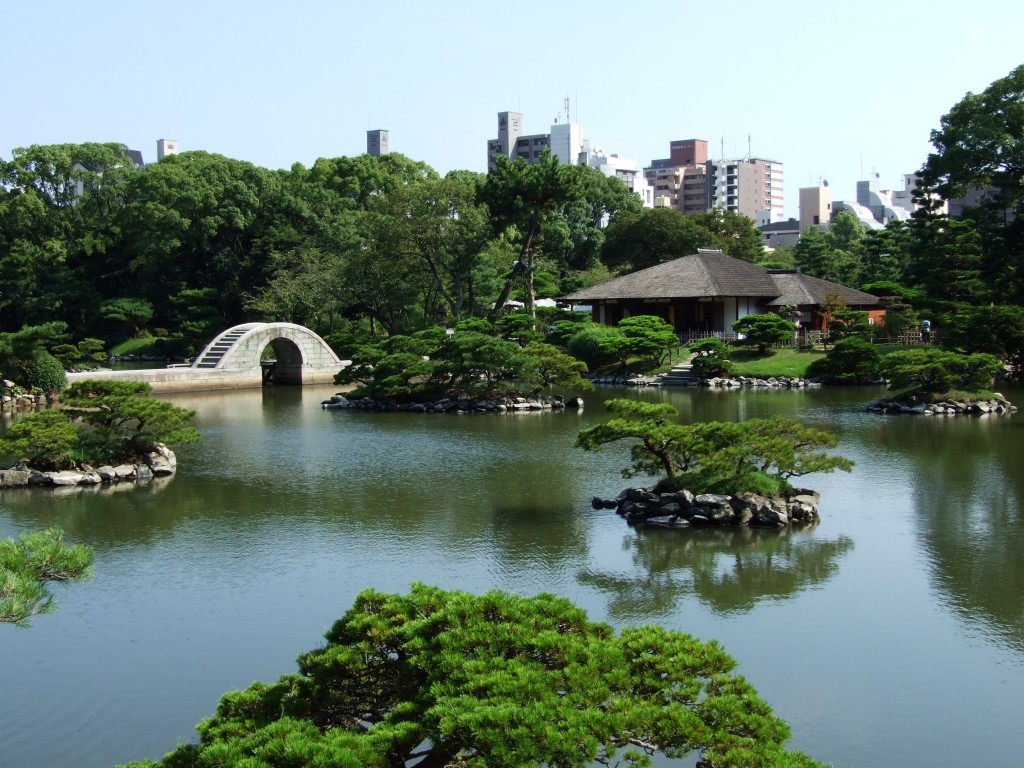
Shukkeien
In 1620, the garden was built by Ueda Soko, a chief retainer of the Asano clan and known as a tea master, as a garden for the villa of the lord of the Asano clan. The garden is said to have been modeled after the world-famous scenic West Lake in China, and was named Shukkeien (Shukukeien) because it depicts the scenery of mountains and rivers, the atmosphere of Kyoto and the deep mountains in a miniature form. The pond dug in the center of the garden is topped with islands of various sizes, and visitors can enjoy strolling around the cleverly placed valleys, bridges, and gazebos, which is why it is also known as a strolling garden. The garden was destroyed by the atomic bomb in 1945, but the Seifukan and Meigetsu-tei pavilions have been restored. During the G7 Hiroshima Summit, the spouses of the leaders visited the garden as part of the Partners Program.
Destinations
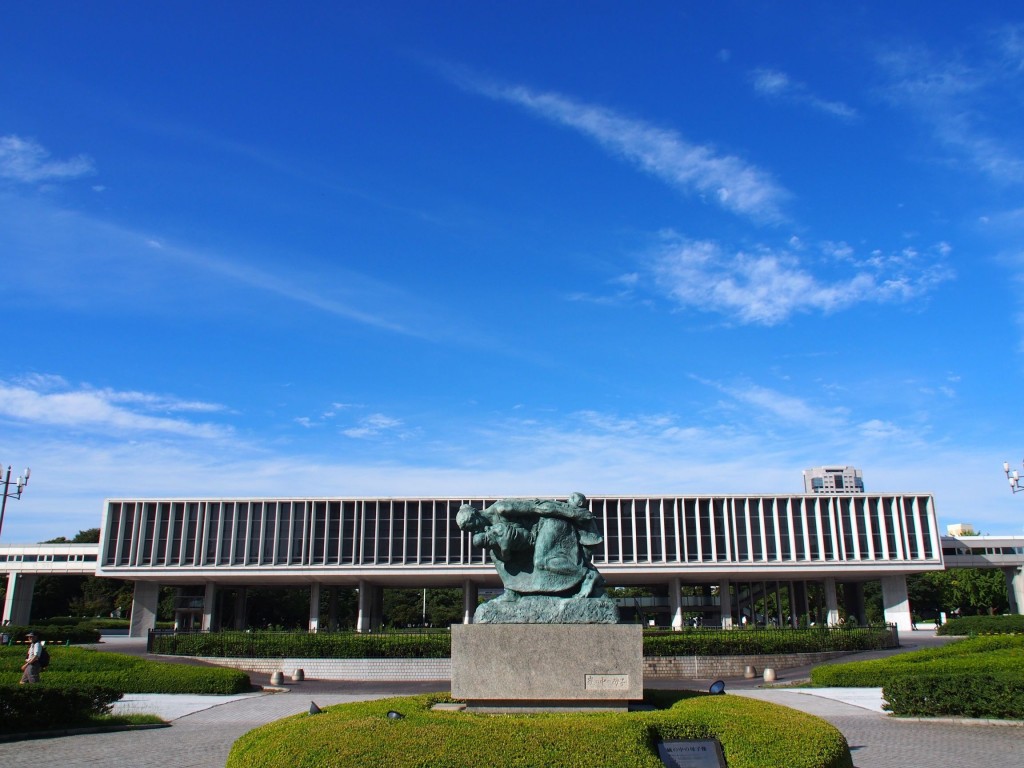
Hiroshima Peace Memorial Museum
The Hiroshima Peace Memorial Museum opened in 1955 with the goal of conveying the true nature of the atomic bombing to people around the world and contributing to the realization of the abolition of nuclear weapons and lasting world peace, which are the spirit of Hiroshima. At 8:15 a.m. on August 6, 1945, Hiroshima was hit by the world's first atomic bomb. The city was almost entirely destroyed, and many lives were lost. Those who barely survived suffered great physical and mental trauma, and many survivors continue to suffer to this day. The Peace Memorial Museum collects and exhibits personal belongings of atomic bomb survivors, as well as photographs and documents depicting the devastation of the bombing. It also introduces Hiroshima's history before and after the bombing and the state of the nuclear age. The museum also hosts lectures by atomic bomb survivors about their experiences, and lends out materials for peace education.
Destinations
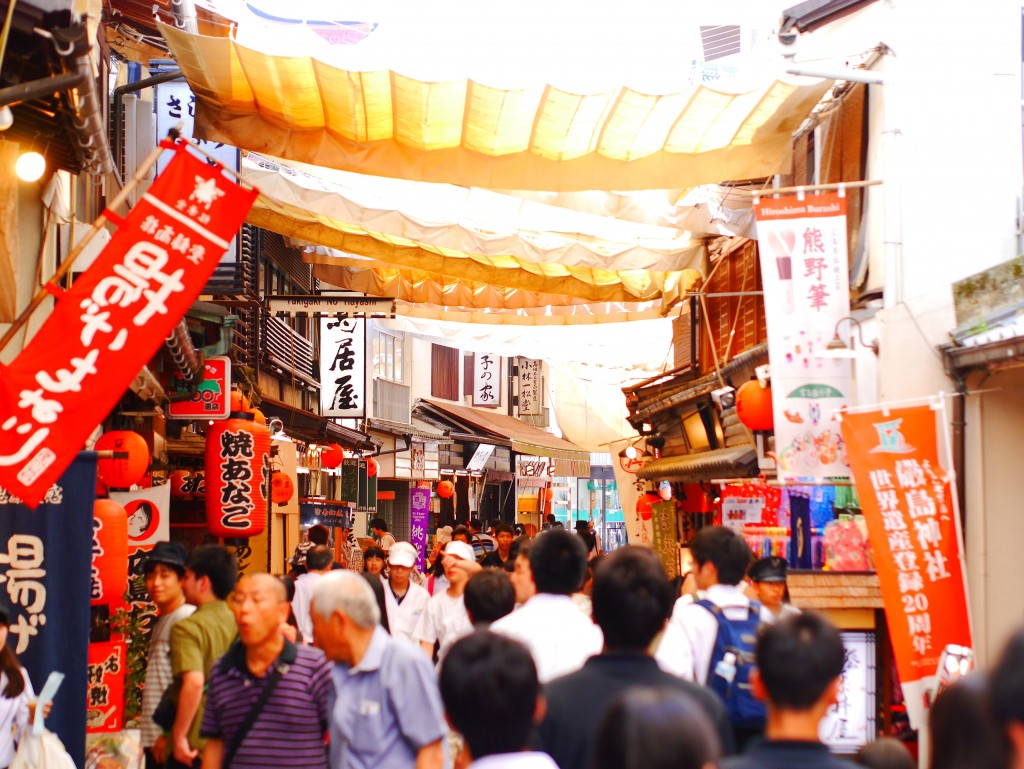
Miyajima Omotesando Shopping Street
This is a 350m long shopping street leading to Itsukushima Shrine. It is lined with souvenir shops selling Miyajima ladles and Miyajima carvings, shops selling Miyajima's specialty delicacies made with oysters and conger eels, and momiji manju shops, and is bustling with people looking for souvenirs and enjoying food and drink. There are also shops where you can try the classic Miyajima souvenir, momiji manju, freshly baked on the spot, giving the area a unique Miyajima atmosphere.
Destinations
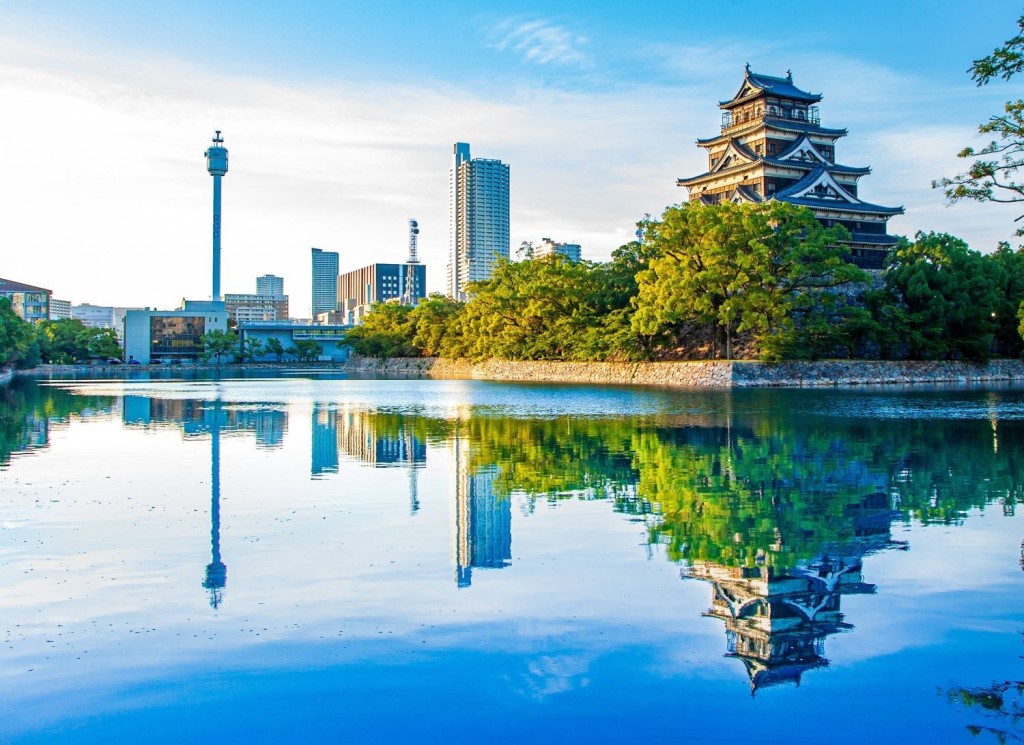
Hiroshima castle
*Hiroshima Castle's keep was closed in March 2026 due to deterioration and other reasons. However, the exterior of the keep can still be viewed. Hiroshima Castle was constructed in 1589 by Mori Terumoto, who ruled most of the Chugoku region, in this location with convenient land and water transportation. At this time, large-scale construction was carried out, including the construction of stone walls, moats, the keep, and the surrounding castle town. The Mori clan was transferred after the Battle of Sekigahara, but during the Edo period, it became the residence of 12 generations of the Asano clan, starting with Fukushima Masanori and Asano Nagaakira. Although the keep and some buildings remained after the Meiji era, all buildings were completely destroyed by the atomic bomb. In 1994, the Hirayagura, Tamonyagura, and Taikoyagura were completed, restoring the original appearance of the Ninomaru (second enclosure).
Destinations
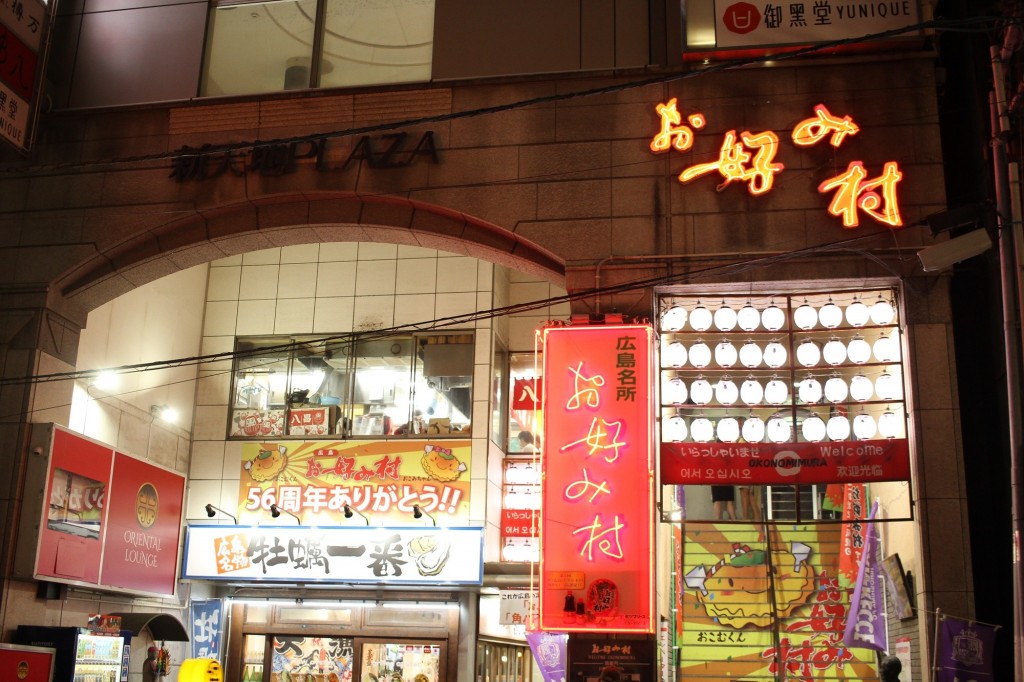
Okonomi-mura
Okonomi-mura is a tourist attraction in Hiroshima, with 23 okonomiyaki restaurants. There are many delicious restaurants in Okonomi-mura! The current building was completed in 1992. It has a history of 40 years since the days when the park was filled with food stalls. After the war, 50 okonomiyaki stalls gathered in Shintenchi Square in the center of Hiroshima City, and they were filled with passion and humanity for the reconstruction of the town. When writer Kida Minoru saw this lively scene centered around okonomiyaki, he said, "It's just like Okonomi-mura ," and that's how the name "Okonomi-mura" came about. When the square was turned into a park in 1963, the food stalls were evicted, and the two-story prefabricated store "Okonomi-mura" was built in front of the park. It became famous nationwide, and became a famous Hiroshima attraction crowded with local Carp supporters, students on school trips from all over the country, and general tourists. Okonomi-mura, which was reborn as a high-rise building in 1992, still has the same flavors, liveliness, and friendly atmosphere as when it first opened. *Business hours and holidays may change, so please contact each store for details.
Destinations
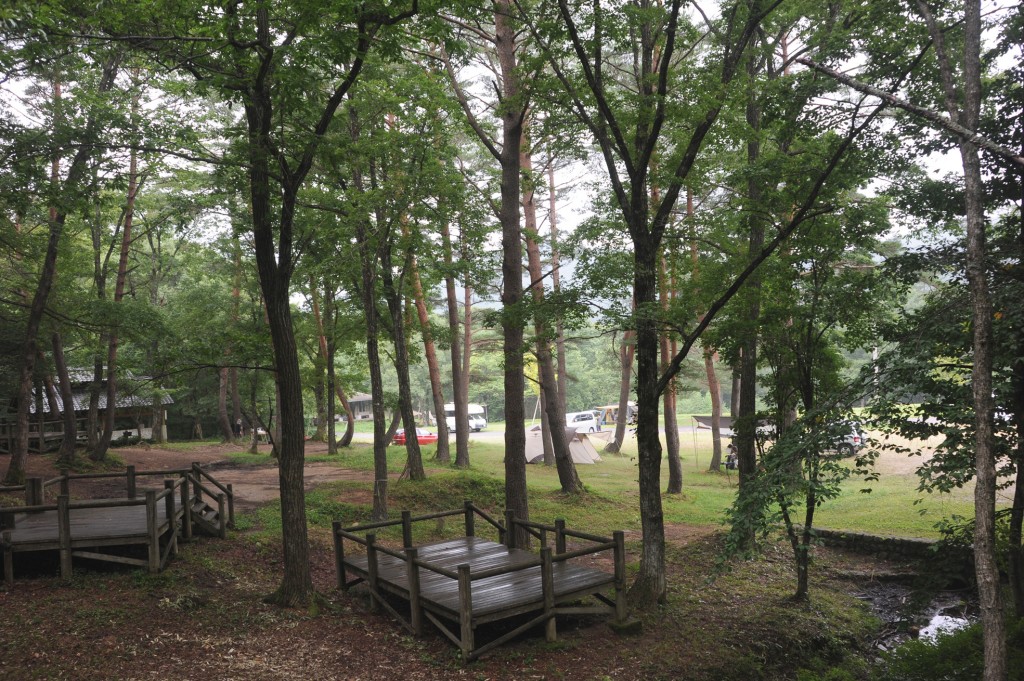
Hijiriko Campground
This is a free campsite adjacent to Lake Hijiri and surrounded by lush nature. The spacious site has 160 tent sites that can accommodate approximately 400 people, a kitchen building, flush toilets, a rest area, a fire circle, an observation deck, a grassy area, and more, making it popular with families. Mt. Garyu, whose shape is clearly reflected on the lake's surface, is a beautiful virgin beech forest, and hiking is also recommended. In addition to nature walks, you can enjoy the great outdoors, such as stargazing at night.
Destinations
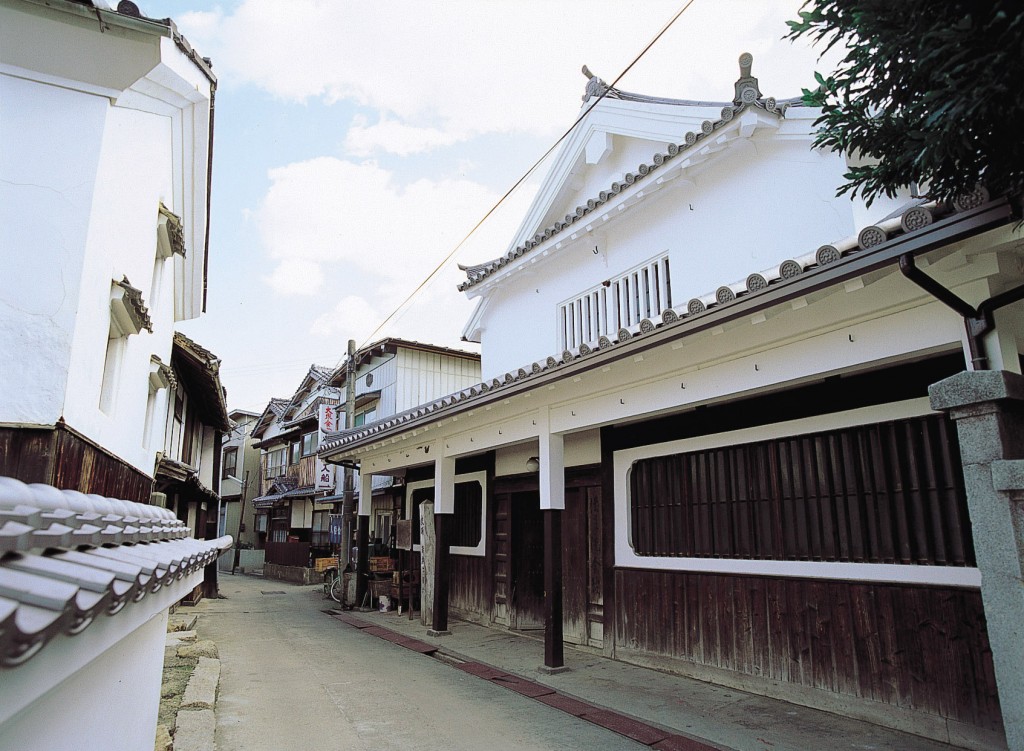
Mitarai Townscape Preservation Area
Mitarai, which flourished as a port town where people waited for the wind and the tide during the Edo period, was designated by the government as an Important Preservation District for Groups of Traditional Buildings in 1994. Due to its small size, Mitarai has been reclaimed several times, and is now a mixture of large and small merchant houses, teahouses, boathouses, houses, shrines, temples, etc., and the village is networked with a central road, village connecting roads, and small lanterns for village life. In addition, some civil engineering structures necessary for life in a port town, such as a large wharf, stone bridges, high lanterns, stone embankments, and gangways, remain as they were at the time. Since its formation in the mid-17th century, the Mitarai area has developed over the course of approximately 200 years during the Edo period and into the early Showa period as a transit port for Seto Inland Sea traffic, and traces of this development can still be seen within the village today.
Destinations
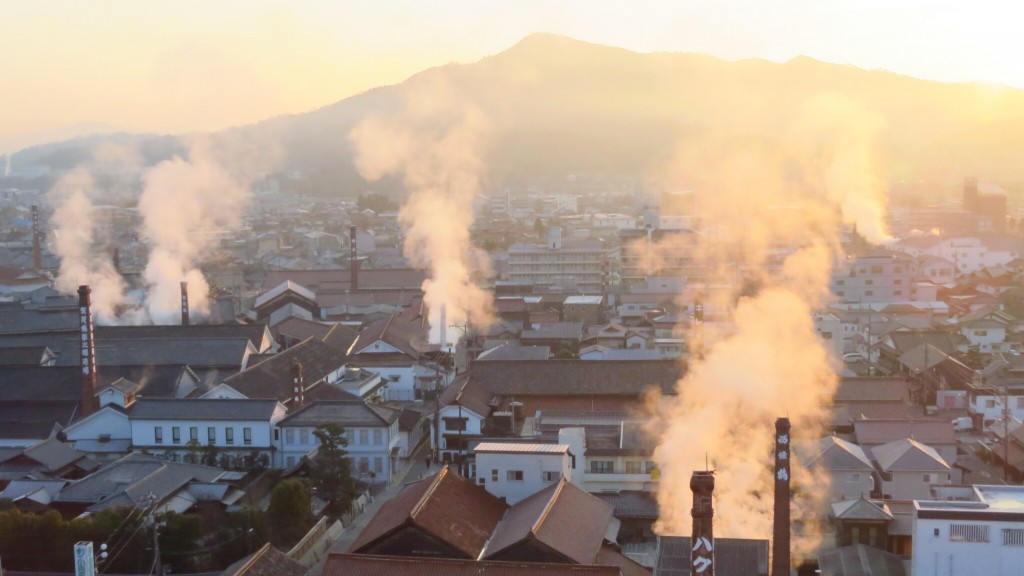
Saijo Sake Brewery Street
Saijo is known as one of Japan's leading sake-producing regions, alongside Nada and Fushimi. Blessed with a climate and groundwater ideal for sake brewing, seven sake breweries continue to operate around JR Saijo Station. Saijo Sake Brewery Street features the national historical site "Saijo Sake Brewery Group" and other sake brewing facilities selected as "Japan's 20th Century Heritage," offering a unique landscape of red brick chimneys, red tiled roofs, and sake breweries with namako-kabe (sea cucumber-shaped) or white walls. Some breweries offer tastings of sake and brewing water, and products can be purchased. Cafes and restaurants housed in sake breweries also serve sweets and dishes made with sake and brewing water. The "Saijo Sake Brewery Street Tourist Information Center (Kugurimon West Building)" is open as a rest stop for visitors to the sake brewery district, providing a place to take a break during your stroll.
Destinations

Okunoshima
Located about a 15-minute ferry ride from Tadanoumi Port (Takehara City), this island in the Seto Inland Sea is known for its large population of wild rabbits. Hundreds of rabbits live on the island, and visitors can see their adorable creatures up close. The unique feature of this spot is the opportunity to interact with animals in a tranquil natural environment. A convenient way to get around the island is by renting a bicycle, which allows you to freely explore the island's approximately 4km coastline. Various photo spots, including hearing aids shaped like rabbit ears, are available, and the observation deck offers views of the Seto Inland Sea's many islands and a beautiful sunset. The island is also dotted with a poison gas museum and ruins that tell the story of its past. While immersed in the beautiful natural scenery of today, it also serves as a place to reflect on the value of peace through history. Okunoshima Kyukamura, your base for your stay, offers hot springs and meals featuring fresh seafood. If you stay overnight on the island, you can enjoy exclusive experiences such as observing the rabbits, who become active at night, and the starry sky. In the summer, the outdoor pool, beach, and campground are also open, offering a variety of ways to enjoy the island no matter the season. Please note that the rabbits on the island are wild animals. It is important to observe the rules on this island, such as not chasing or picking them up, and providing them with appropriate food in a safe place. The peaceful environment, maintained through the consideration of each individual, is also a major attraction of the island.
Destinations
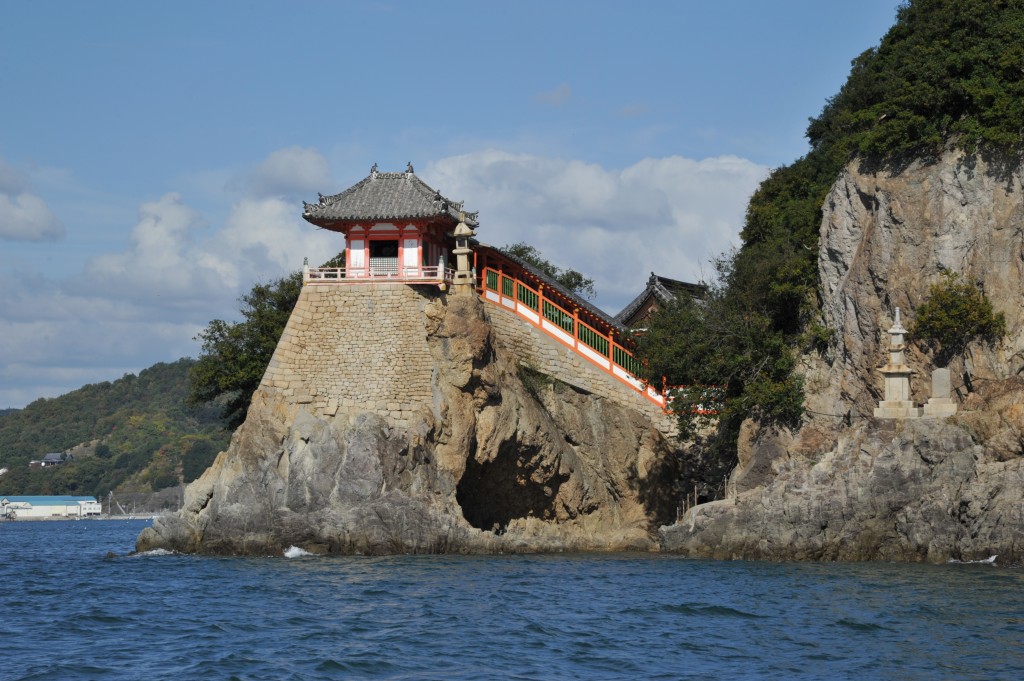
Afushi Rabbit Kannon / Bandai-ji Kannon-do
Located at the tip of the Numakuma Peninsula in southeastern Fukuyama City, this Kannon Hall is built precariously on a cliff overlooking the sea. The vibrant vermilion pillars and beams stand out beautifully against the blue of the sky and sea, creating a landscape that symbolizes this place. Its unique location, jutting out into the sea, has long been known as a scenic spot and was even depicted in Utagawa Hiroshige's "Sixty-Odd Provinces Famous Views." The corridor surrounding the hall slopes slightly towards the sea, and the railings are designed to be low. While feeling the sea close at hand, visitors can enjoy a thrilling view of the Seto Inland Sea's numerous islands, a sight unique to this high vantage point. The existing hall is said to have been founded by Mori Terumoto, a warlord of the Sengoku period, and possesses historical value as a nationally important cultural property. Inside the hall, numerous "breast-shaped ema" (votive tablets) are dedicated, a rare sight nationwide, conveying the fervent faith in fertility, safe childbirth, and breastfeeding that has continued since ancient times. One of the highlights is how the scenery changes depending on the time of day you visit. You can encounter different landscapes depending on the light, such as the refreshing morning when the light illuminates the surface of the sea, or the twilight when the temple's colors deepen as the setting sun shines on it. This is a spot where you can enjoy a precious landscape where Fukuyama's historical heritage and the natural environment of the Seto Inland Sea come together.
Destinations
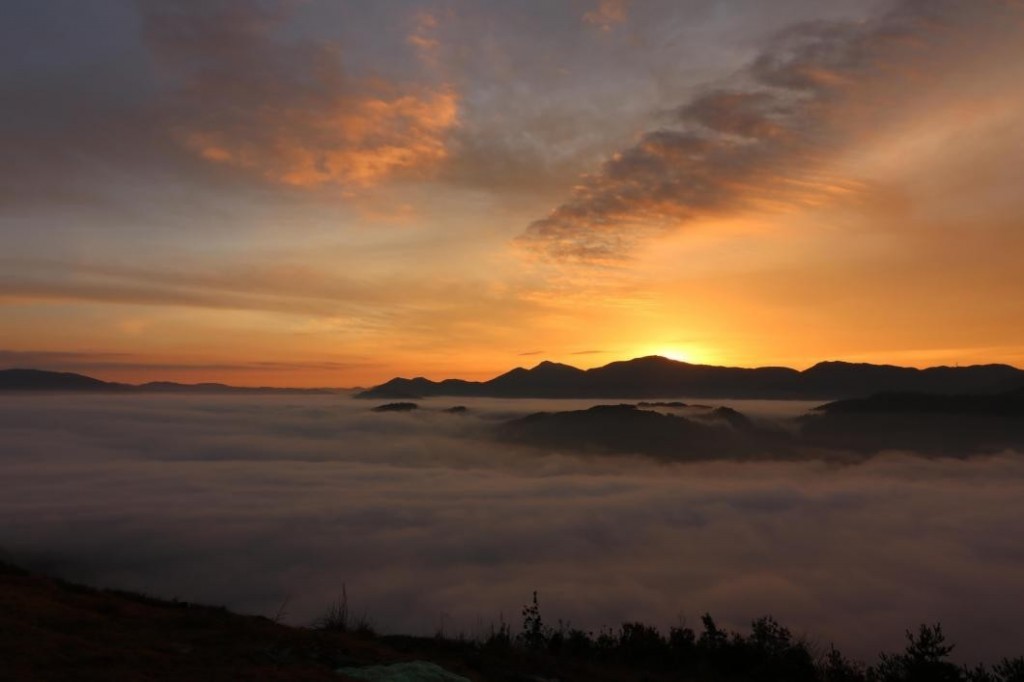
Arataniyama
Mount Aratani, located in Asakita Ward, Hiroshima City, is a hidden gem for its stunning sea of clouds. From its 620-meter-high summit, a deep fog completely envelops the town below, creating a scene resembling a vast white ocean. The sight of the mountaintop floating amidst the sea of clouds is like islands scattered across a vast ocean, so mystical it makes you forget your everyday worries. This natural phenomenon is more likely to occur on clear, humid mornings when radiative cooling creates a large temperature difference from the previous day. September to November is considered the ideal time, and the transformation of the sky as the sea of clouds turns orange and golden as the sunrise penetrates is truly exceptional. While this special view can only be seen when the weather conditions are just right, on foggy days, it can linger until around 9 AM, allowing you to leisurely appreciate the changing scenery as time passes. Even on days when the sea of clouds doesn't appear, you can still enjoy the view of the Misasa River flowing through the mountains and the tranquil rural landscape below. The meticulously crafted townscape and the vast sky above—the unobstructed, expansive views are another attraction of this mountaintop. *The road leading to the summit is very narrow, with many places where it's difficult for vehicles to pass each other. Especially in the early morning, it's dark and visibility can be poor due to fog, so please drive with caution. *Signs regarding no open fires, taking your trash with you, and parking etiquette are posted at the site. Please remember that this landscape is protected by enthusiasts, and follow the rules.
Destinations
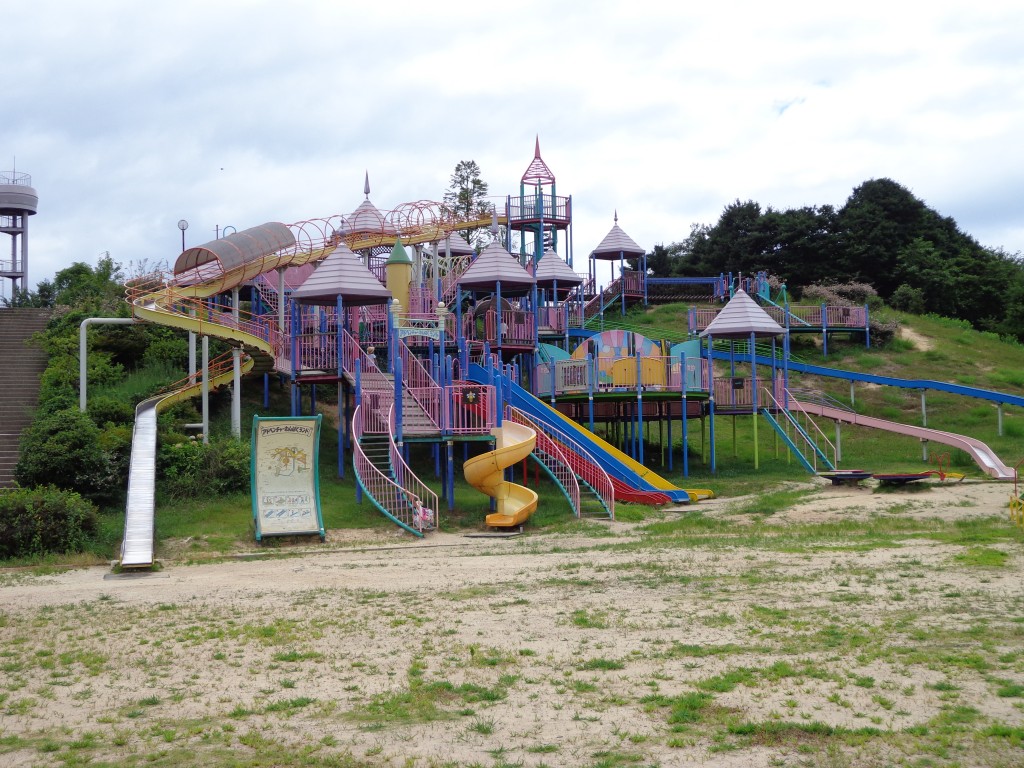
Fukuyama Family Park
Adventure Wanpaku Land, a complex playground that has become the park's symbol, is extremely popular with children for its variety of attractions, including four slides, three roller slides, a spiral slider, and a Tarzan rope. There is also a peacock garden and a deer garden. Bring a lunch and spend a relaxing day with your family.
Destinations
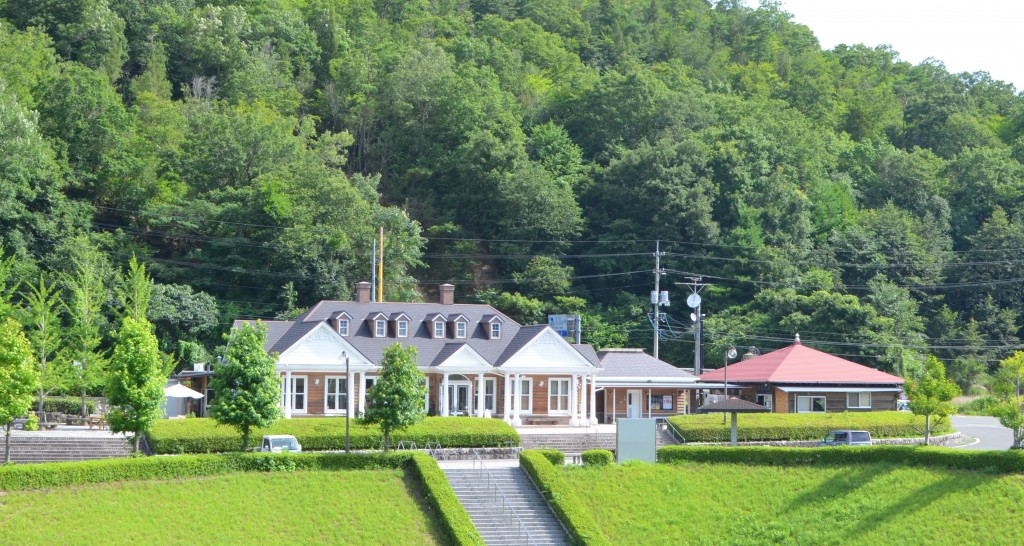
Road Station Yogansu Hakuryu
This roadside station is a beautiful Western-style building located on the shores of Lake Hakuryu. Based on the concept of "a roadside station you've never seen before," we aim to be a roadside station that offers surprise, joy, relaxation, and excitement.
Destinations
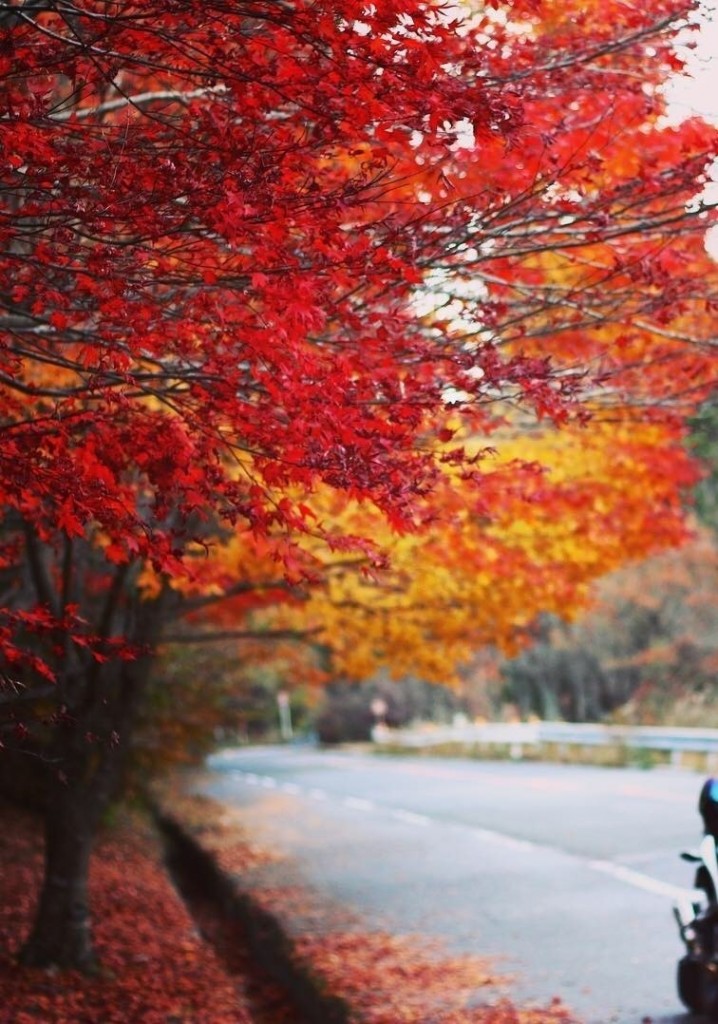
Noroyama
Located within the Setonaikai National Park in Kure City, Mount Noro boasts an elevation of 839 meters, making it the highest peak along the Setouchi coast. The well-maintained "Sazanami Skyline" scenic drive allows access to near the summit by car. From the "Kabuto-iwa Observatory," a few minutes' walk from the parking lot next to the Noroyama Visitor Center, you can enjoy panoramic views of the Seto Inland Sea's numerous islands. On clear days, you can even see the Ishizuchi mountain range in Shikoku, making it a representative scenic spot of the national park. This is also a sacred mountain, with legends of a young Kobo Daishi (Kukai) undergoing rigorous training here. A walking trail called the "Giant Rock Road" runs through the area, dotted with mystical spots such as "Ogasane-iwa," where massive boulders are piled up in layers, and "Gankai," where countless giant rocks cover the slopes. The powerful force of nature and the weight of history intersect here, creating a solemn atmosphere. The area boasts rich scenery throughout the seasons, with cherry blossoms and azaleas in spring, and vibrant autumn foliage that paints the mountaintop in vivid colors, captivating visitors. For a closer connection to nature, we recommend staying at the "Noro Kogen Lodge" or the expansive "Noroyama Campground." In summer, the temperature is about 5 degrees Celsius lower than in the city, making it a comfortable summer retreat. At night, you can enjoy a sky full of stars, and in the early morning, you might even encounter a fantastical sea of clouds. Furthermore, "Kooriike" (Ice Pond), once an ice harvesting site, is a photo spot that reflects the surrounding trees like a mirror. This beautiful scenery is also a must-see.
Destinations
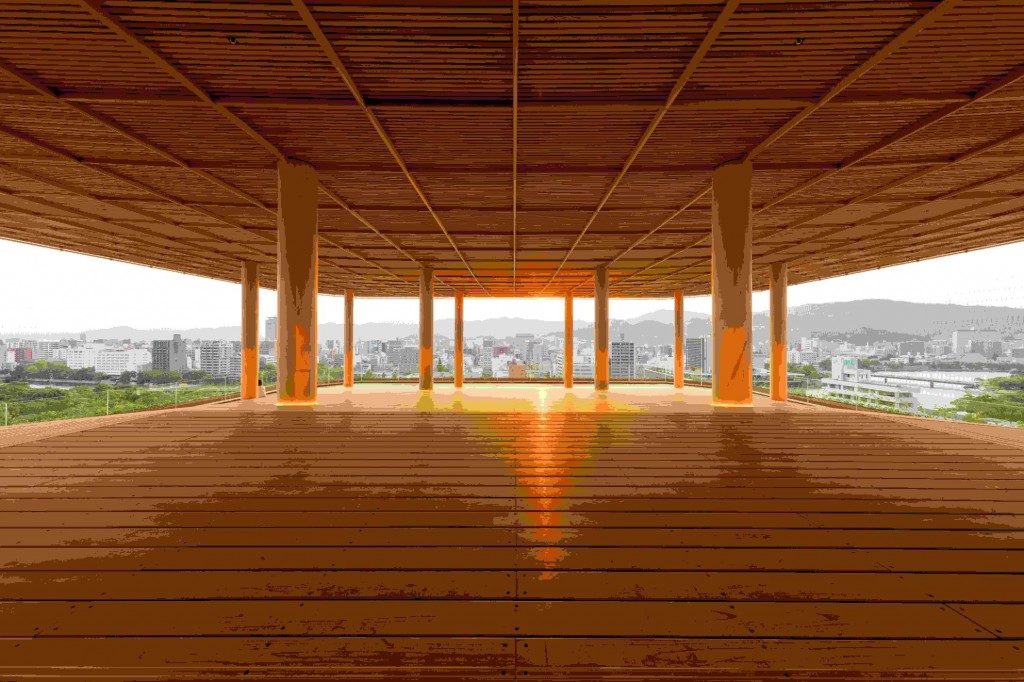
HIROSHIMA ORIZURU TOWER
Located east of the Atomic Bomb Dome, this facility evokes a sense of hope for peace and aspirations for reconstruction. From the rooftop observation deck, you can see Hiroshima’s two UNESCO World Heritage sites—the Atomic Bomb Dome (within Hiroshima Peace Memorial Park) and Miyajima, especially on clear days. The facility was designed by Hiroshima-raised architect Hiroshi Sambuichi, whose designs are characterized by a focus on natural elements such as wind, water, and sun, earning him international acclaim as a leading green architect, and is internationally known for his architecture on Naoshima and elsewhere. Especially on the observation deck, through the transition of the current cityscape framed by wooden decks and ceilings and the regeneration of greenery, visitors themselves can experience the grandeur of nature and the importance of peace alongside wind, light, and scenery, contemplating Hiroshima's past, present, and future. You can also place your folded paper cranes into the symbolic "Orizuru Wall." The Orizuru Wall is completed by piling up thoughts and prayers for peace from around the world, so be sure to take part! It's also the perfect place to take a break, as it houses a local product shop (Hiroshima IPPIN) that stocks a selection of locally loved souvenirs, and a cafe where you can enjoy homemade drinks and sweets made mainly with fruits from Hiroshima.
Destinations
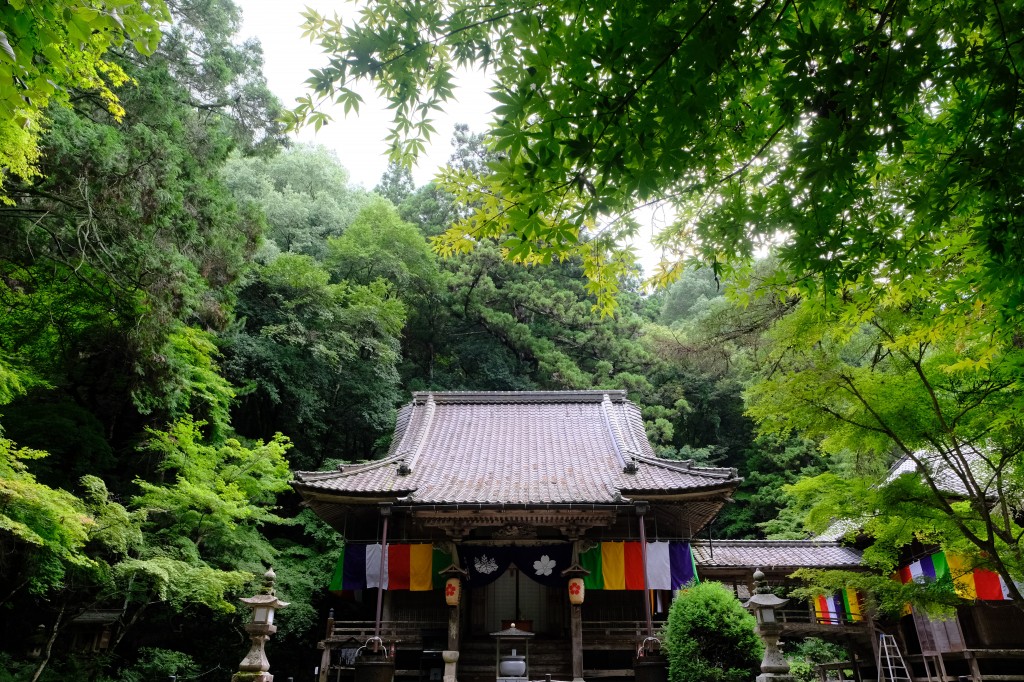
Imakoyasan (Ryugeji Temple and Nyu Shrine)
Mount Koya is a sacred site said to have been founded approximately 1200 years ago by Kobo Daishi Kukai. Ryugeji Temple and Niu Shrine are designated as Hiroshima Prefecture Historic Sites, representing valuable historical sites that preserve the syncretism of Shinto and Buddhism. During the Heian period, it flourished as the center of the Ota-sho estate, a territory of Mount Koya. Ota-sho was a manor ruled by the Taira no Kiyomori family and was known for producing high-quality rice; the harvested rice was transported from Onomichi to Mount Koya in Kishu. The temple grounds are known as one of the prefecture's most scenic spots. In spring, cherry blossoms bloom along the approach to the temple, and in autumn, the entire mountain, centered around Kaminoike Pond, is enveloped in vibrant autumn foliage. The scenery created by the vermilion-painted Kaminohashi Bridge and nature is a popular photo spot where you can appreciate the beauty of each season. Within the temple grounds, enveloped in a serene atmosphere, old buildings are scattered, allowing visitors to stroll leisurely and enjoy their charm. At "Setsugetsu Fuka Fukuchiin," a cafe converted from an Edo-period temple lodging, you can enjoy Japanese tea and sweets after your stroll. The views from the Kojōyama Observatory (approximately 30 minutes) and the low-mountain hike to the 88 stone Buddha statues scattered across the mountain behind (approximately 1 hour 30 minutes) are also popular. Ryūgeji Temple attracts many visitors with its annual fire-walking ritual on April 20th and the unveiling of two wooden eleven-faced Kannon statues from the Heian period on August 20th. Niu Shrine preserves a lion's head and statues of the Niu and Takano deities from the Kamakura period, and the entire grounds contain numerous valuable cultural assets, including a total of five nationally designated important cultural properties. The Ōta-shō History Museum on the grounds offers a deeper look into the history of this area.
Destinations
Hiroshima Station Tourist Information Center
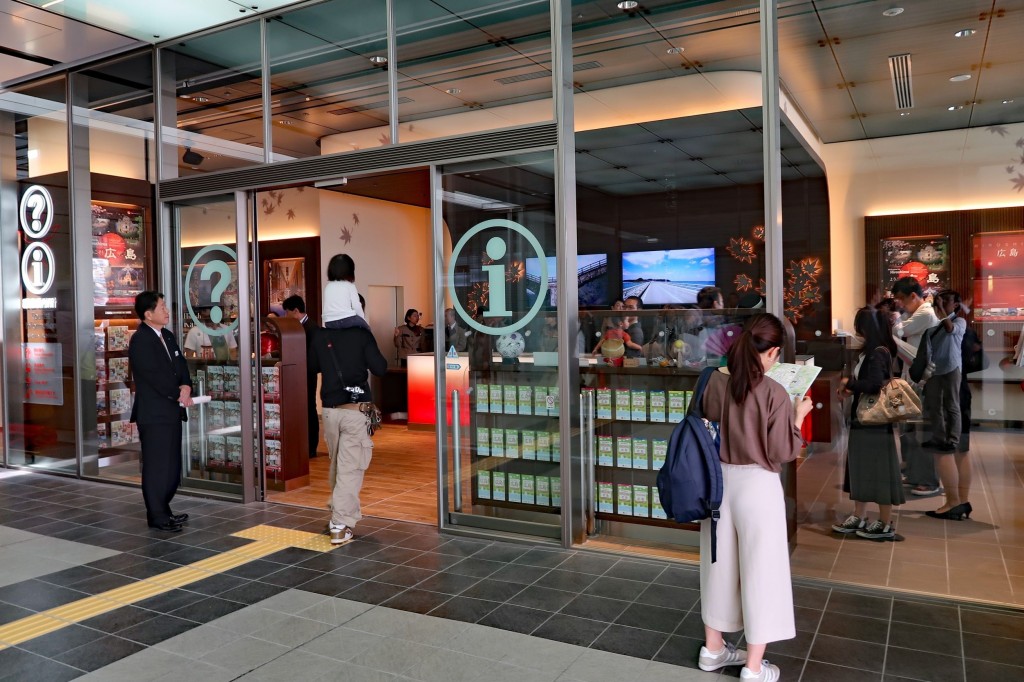
Located inside Hiroshima Station, staff are on hand to provide tourist information, tourist maps, tourist pamphlets, and more. English-speaking staff are always on hand to provide information services to foreign visitors to Japan. Free public wireless LAN service, "Hiroshima Free Wi-Fi," is also available. (Certified as a Category 3 "Foreigner Tourist Information Center" by the Japan National Tourism Organization (JNTO).) Other Hiroshima City Tourist Information Centers■Hiroshima Bus Center General Information Center■Hiroshima City Tourist Information Center (Peace Memorial Park Rest House)■Hiroshima City Tourist Information Center (Kamiyacho Shareo (Underground Mall))■Hiroshima Port General Information CenterIn addition, to increase convenience for tourists, Hiroshima City operates street-corner tourist information centers with the cooperation of private businesses.■Travel Pal■Travel Pal International (Tourist Information Center for Foreigners)
Destinations
Sankeien
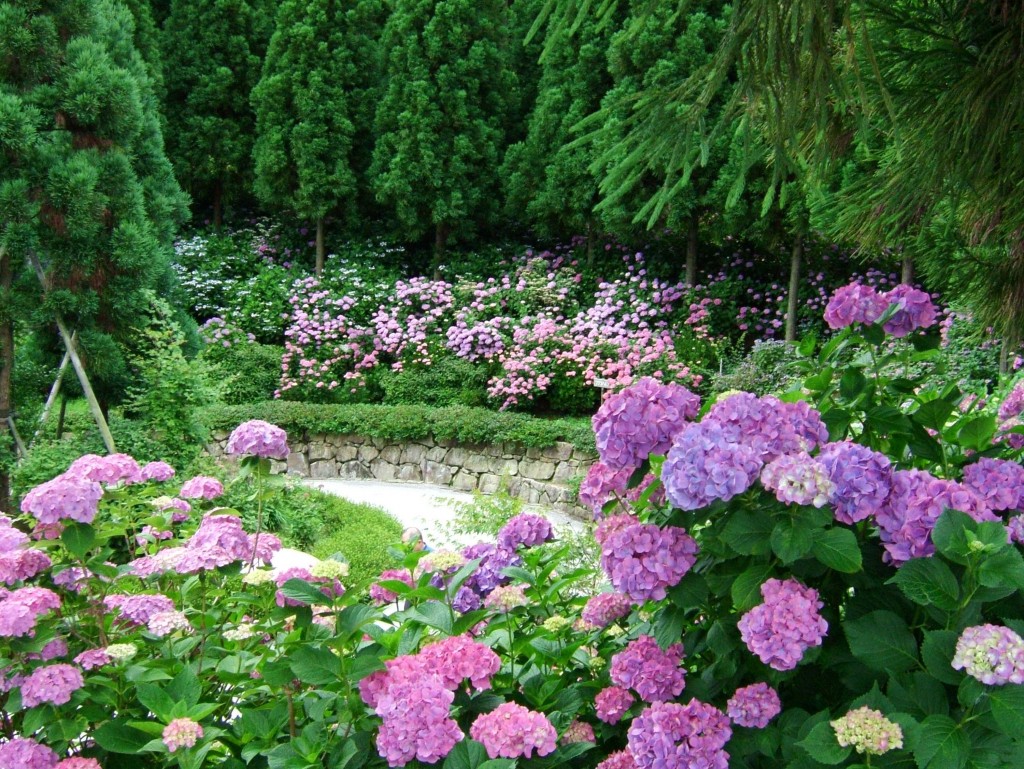
This is a stroll-style garden with a pond and an artificial hill covering an area of about 6 hectares, created to commemorate the opening of Hiroshima Airport. The garden was designed with the scenery of the mountains and valleys of Hiroshima Prefecture and the Seto Inland Sea as its motif, and is made up of a mountain zone that makes use of nature, a village zone, and a sea zone. You can enjoy the beautiful Japanese garden throughout the year, with a plum festival in March, fresh greenery, peonies, and azaleas in May, a flower festival with 10,000 hydrangeas of 100 varieties in June, and a maple festival in November.
Destinations
Haji Dam
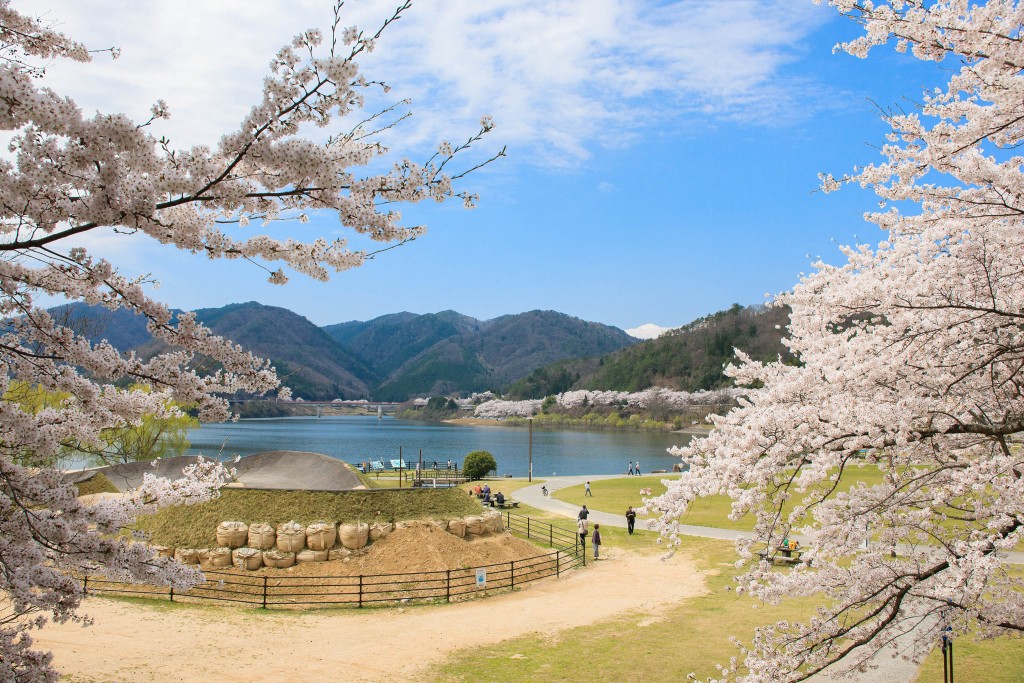
Haji Dam was built as Hiroshima Prefecture's first fully-fledged multi-purpose dam. On the shore of Lake Yachiyo, the reservoir lake, is Nodogoe Park, which features a grassy area and large playground equipment, making it a place of relaxation that can be enjoyed by children and adults alike. It is also one of the most famous cherry blossom viewing spots in western Japan, with approximately 3,000 cherry trees blooming in the spring along the lakeside and lit up at night. It is also a popular spot for viewing autumn leaves, which adorn Haji Dam in autumn. The surrounding area is dotted with sports and leisure facilities for cycling, tennis, baseball, soccer, ground golf, camping, and more, with a wealth of natural attractions to enjoy.
Destinations
Saltwater pool(Juchheim Ninoshima Welcome Center and Outdoor Activity Camp)
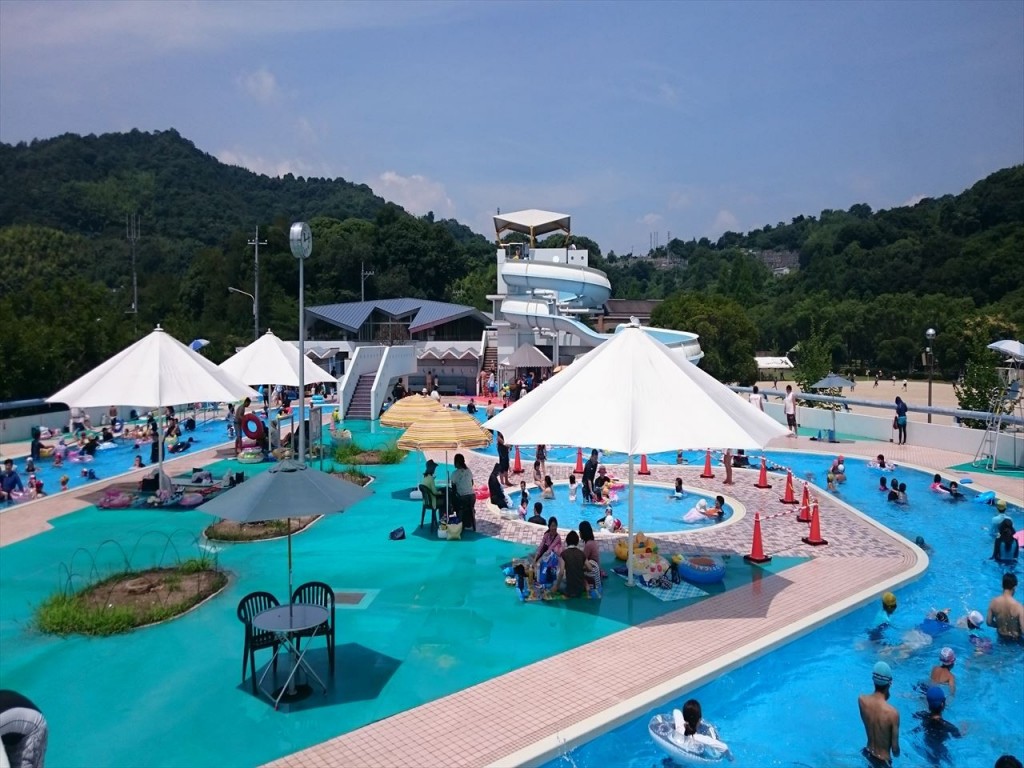
This pool uses groundwater pumped up from more than 30 meters underground. It is open for canoeing lessons from April to June and September to November, and for swimming in July and August. The water slide is approximately 60 meters long.